
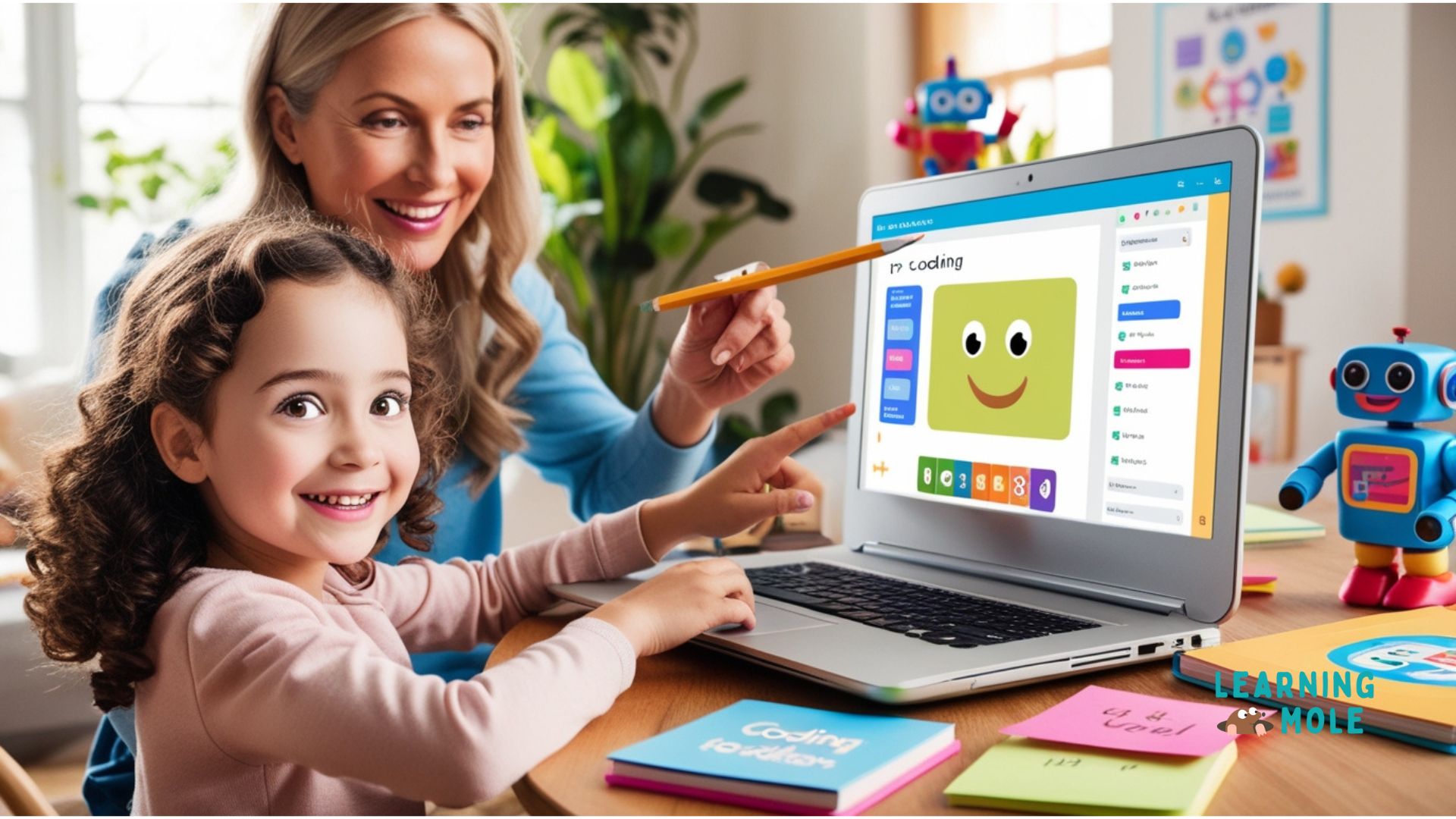
1. Digital Literacy and Technology Skills
- Teach basic computer skills like typing, file management, and using software.
- Introduce coding and programming through child-friendly platforms like Scratch or Code.org.
- Educate them on safe internet use, online research, and responsible digital behavior.
2. STEM Skills (Science, Technology, Engineering, Math)
- Conduct simple science experiments at home.
- Encourage curiosity about how things work and ask “why” and “how” questions.
- Use puzzles, building blocks, or robotics kits to develop engineering and analytical thinking.
3. Critical Thinking and Problem-Solving
- Present challenges or projects requiring planning and troubleshooting.
- Encourage logical thinking through games like chess, Sudoku, or strategy apps.
- Discuss different ways to solve a problem, and let them evaluate outcomes.
4. Creativity and Innovation
- Encourage coding projects, DIY electronics, or 3D design for hands-on creativity.
- Support creative apps or programs for animation, video creation, or digital art.
- Celebrate new ideas and inventive solutions to problems.
5. Data Literacy
- Introduce simple data collection exercises (like tracking daily habits or experiments).
- Teach basic charting or graphing using spreadsheets or online tools.
- Discuss how to interpret results and make decisions based on data.
6. Communication and Collaboration in Digital Environments
- Encourage sharing projects digitally, like presentations or coding demos.
- Teach online etiquette and teamwork tools (like shared documents or collaboration apps).
- Foster skills in explaining ideas clearly to peers or family members.
7. Adaptability and Learning Agility
- Introduce new tools and apps regularly to encourage flexibility.
- Encourage learning new skills outside their comfort zone, like coding a new language or building a model.
- Celebrate progress and effort over perfection.
8. Financial Literacy and Practical Life Skills
- Teach basic money management, savings, and budgeting through games or allowance systems.
- Introduce real-world problem-solving, like planning small projects or building useful tools.
- Encourage responsibility and accountability in handling personal and digital resources.
Conclusion
Helping children develop technical, STEM, digital, and practical life skills is crucial for the modern era. Parents who encourage digital literacy, coding, problem-solving, creativity, data understanding, collaboration, adaptability, and financial awareness equip their children to thrive academically and professionally.
Children who master these skills become confident, innovative, and prepared to face the challenges and opportunities of tomorrow’s world.